
IBM FlashSystem 7600 FS7600 5075-A30 NVMe Storage System Upgrades Parts


IBM FlashSystem 7600 FS7600 5075-A30 NVMe Storage System
IBM FS7600 FlashSystem 7600 | Machine Type 5075 Model A30 | FCM5 NVMe Storage, 64Gb Fibre Channel, 100Gb Ethernet and IBM Storage Virtualize
The IBM FlashSystem 7600 FS7600 NVMe Storage System Model 5075-A30 is a high-performance 2U enterprise NVMe storage system designed for business-critical databases, IBM Power Systems, IBM i, AIX, Linux, VMware, virtualization, analytics and hybrid-cloud workloads. The IBM FlashSystem 7600 combines dual active-active node canisters, 32 front-accessible EDSFF NVMe storage slots, IBM FlashCore Module 5 technology, high-speed Fibre Channel and Ethernet connectivity, advanced cyber-resiliency capabilities and IBM Storage Virtualize software. The IBM FS7600 represents a significant architectural change from earlier FlashSystem system generation models, as it uses EDSFF NVMe storage and FlashCore Module 5, provides four network-adapter slots per node canister, supports up to 64Gb Fibre Channel and 100Gb Ethernet connectivity, and can be configured with as much as 1.5TB of system memory. Download or view the IBM FS7600 FlashSystem datasheet here.
Use the email price feature for custom configured IBM FlashSystem 7600 FS7600 pricing or to inquire about 4657-924 upgrades and replacement parts. You may also use the IBM FlashSystem 7300 email price feature if you have general IBM FlashCore module compatibility questions. All IBM FlashCore Modules, FlashSystem systems, features and parts include warranty, support and are eligible for IBM maintenance.
IBM FlashSystem 7600 5075-A30 Performance and Maximum Specifications
The IBM FlashSystem 7600 5075-A30 is a high-performance 2U enterprise NVMe storage system designed for business-critical databases, IBM Power Systems, virtualization, hybrid cloud and other latency-sensitive workloads. The FlashSystem 7600 combines two active-active node canisters, 32 front-accessible EDSFF NVMe drive slots, IBM FlashCore Module 5 (FCM5) technology, up to 1.5 TB of system memory and high-speed Fibre Channel and Ethernet connectivity. IBM publishes maximum FlashSystem 7600 performance of up to 4.3 million 4K read-hit IOPS and up to 55 GB/s of bandwidth. A single 2U enclosure can provide up to approximately 7.2 PB of effective capacity based on IBM's stated data-reduction assumptions.
These specifications represent maximum platform capabilities rather than guaranteed application performance. Actual performance depends on workload characteristics, block size, read/write ratio, FlashCore Module configuration, RAID layout, system memory, host connectivity, queue depth, data reduction and SAN or Ethernet architecture.
| Performance / Scale Characteristic | IBM FlashSystem 7600 Maximum or Supported Specification |
|---|---|
| Machine Type / Model | 5075-A30 |
| Maximum IOPS | Up to 4.3 million 4K read-hit IOPS |
| Maximum Bandwidth | Up to 55 GB/s |
| Maximum Effective Capacity – Single Enclosure | Up to approximately 7.2 PBe based on IBM data-reduction assumptions |
| Maximum Effective Capacity – FlashSystem Grid | Up to approximately 230 PBe |
| Control Enclosure | 2U |
| NVMe Drive Slots | 32 internal front-accessible EDSFF NVMe slots |
| FlashCore Generation | IBM FlashCore Module 5 (FCM5) |
| Largest FCM5 Capacity | 52.8 TB supported on FlashSystem 7600 |
| Maximum Raw FCM Capacity | 1,689.6 TB using 32 × 52.8 TB FCM5 modules |
| Base System Memory | 768 GB total – 384 GB per node canister |
| Maximum System Memory | 1.5 TB total – 768 GB per node canister |
| Node Canisters | 2 active-active node canisters forming a redundant I/O Group |
| Adapter Slots | 4 adapter slots per node canister |
| Maximum I/O Ports | Up to 32 optional I/O ports |
| Maximum Fibre Channel Speed | 64 Gb Fibre Channel / FC-NVMe |
| Maximum Ethernet Speed | 100 Gb Ethernet |
| Ethernet Storage Protocols | iSCSI and NVMe/TCP; supported configurations also provide RDMA capabilities |
| Industry-Standard NVMe SSD Capacities | 1.92 TB, 3.84 TB and 7.68 TB EDSFF NVMe SSDs |
| Minimum IBM Storage Virtualize Level | 9.1.2 |
FlashSystem 7600 Architecture
The IBM FS7600 uses a dual-controller active-active architecture. Two node canisters form a redundant I/O Group, and data volumes are serviced by both node canisters during normal operation. If one node canister fails or is taken offline for supported service operations, the remaining node canister can continue providing access to the volumes. Each node canister contains the system processors, memory, battery backup and network attachment adapters. This architecture combines performance and availability without requiring a passive controller to remain unused during normal operation.
32 EDSFF NVMe Drive Architecture
One of the most significant architectural differences between the FlashSystem 7600 and earlier FlashSystem 7x00 systems is the internal NVMe storage design. The FlashSystem 7600 provides 32 front-accessible NVMe drive slots in a 2U enclosure. The drives use the Enterprise and Datacenter Standard Form Factor (EDSFF), providing greater drive density than the U.2 form factor used by earlier FlashSystem generations. The system supports:
- IBM FlashCore Module 5 (FCM5)
- Industry-standard EDSFF NVMe SSDs
This allows the FlashSystem 7600 to provide considerably greater internal flash density while maintaining a 2U control-enclosure footprint.
FlashCore Module 5 – FCM5
The FlashSystem 7600 uses IBM FlashCore Module 5 as its primary FlashCore technology. FCM5 combines enterprise NVMe flash storage with IBM-developed hardware-based data reduction, self-encryption, T10-DIF data-integrity protection and computational-storage capabilities.
FlashCore Module 5 is available for the FlashSystem 7600 in four principal capacity points:
| FCM5 Designation | Physical Capacity | IBM Published Logical Capacity |
|---|---|---|
| Small | 6.6 TB | 33.6 TB |
| Medium | 13.2 TB | 67.2 TB |
| Large | 26.4 TB | 134.4 TB |
| XL | 52.8 TB | 268.8 TB |
FCM5 Performance Characteristics
The performance of an individual FCM5 varies according to capacity. Larger FCM5 capacity points provide not only additional storage capacity but also increased per-module bandwidth and IOPS.
| FCM5 Capacity | Read Bandwidth | Write Bandwidth | 16K Read IOPS | Endurance |
|---|---|---|---|---|
| 6.6 TB | Up to approximately 2,200 MB/s | Up to approximately 770 MB/s | Approximately 125K | 1 DWPD |
| 13.2 TB | Up to approximately 2,500 MB/s | Up to approximately 770 MB/s | Approximately 150K | 1 DWPD |
| 26.4 TB | Up to approximately 3,500 MB/s | Up to approximately 1,500 MB/s | Approximately 200K | 1 DWPD |
| 52.8 TB | Up to approximately 3,500 MB/s | Up to approximately 1,500 MB/s | Approximately 200K | 1 DWPD |
Maximum Internal FlashCore Capacity
The FlashSystem 7600 contains 32 internal EDSFF NVMe slots. Using 32 of the largest supported 52.8 TB FCM5 modules provides a nominal installed FlashCore capacity of 32 × 52.8 TB = 1,689.6 TB ≈ 1.69 PB. This represents installed module capacity before Distributed RAID parity, rebuild area and other array overhead are considered. IBM states a logical capacity of approximately 268.8 TB for an individual 52.8 TB FCM5 based on its stated data-reduction assumptions. IBM's overall FlashSystem 7600 specification lists up to approximately 7.2 PB of effective capacity within a single 2U enclosure.
FlashSystem 7600 Memory and Cache Performance
The FlashSystem 7600 provides substantially more base memory than many earlier midrange FlashSystem configurations. Each FS7600 node canister contains six 64 GB DIMMs in the base configuration, providing 384 GB per node × 2 nodes = 768 GB total system memory. The ALGG memory upgrade increases each node canister to twelve 64 GB DIMMs which is 768 GB per node × 2 nodes = 1,536 GB ≈ 1.5 TB total system memory.
| Memory Configuration | Feature Code | DIMMs per Node | Memory per Node | Total System Memory |
|---|---|---|---|---|
| Base | Factory Configuration | 6 × 64 GB | 384 GB | 768 GB |
| Maximum / Upgrade | ALGG | 12 × 64 GB | 768 GB | 1.5 TB |
IBM identifies the base memory configuration as appropriate for systems with fewer than approximately 12 drives, one network adapter and modest IOPS requirements. The 768 GB-per-node configuration is recommended for cache-heavy I/O workloads. This distinction is important when sizing a FlashSystem 7600. Storage performance depends on more than the FCM5 media. Available memory, number of drives, adapter configuration, RAID design, workload characteristics and data-reduction activity all contribute to the performance delivered to applications.
High-Speed Fibre Channel Connectivity
The FlashSystem 7600 supports both 32 Gb and 64 Gb Fibre Channel connectivity for high-performance SAN environments. Supported Fibre Channel adapter options include:
- Quad-port 32 Gb Fibre Channel
- Quad-port 64 Gb Fibre Channel
Supported protocols include traditional SCSI over Fibre Channel and FC-NVMe / NVMe over Fibre Channel. Each node canister contains four adapter slots, allowing the system to provide substantial aggregate host-side bandwidth when configured with multiple adapters.
25 Gb and 100 Gb Ethernet Connectivity
The FlashSystem 7600 also supports high-speed Ethernet connectivity for IP-based storage environments. Supported adapter options include:
- Quad-port 25 Gb / 10 Gb Ethernet
- Dual-port 100 Gb / 40 Gb Ethernet
Depending on adapter and configuration, supported storage and communication protocols include:
- iSCSI
- NVMe/TCP
- RDMA communication
- Storage replication
- Inter-system communication
A maximum of 32 optional I/O ports can be configured for the FlashSystem 7600.
Host Connectivity and System Performance
Host connectivity is an important consideration when designing a FlashSystem 7600 capable of approaching its maximum performance. A storage system capable of millions of IOPS and tens of gigabytes per second of throughput can still be constrained by the host SAN or Ethernet architecture.
Performance planning should therefore consider:
- Number and speed of host adapters
- Number of active host paths
- Fibre Channel switch bandwidth
- Ethernet switch bandwidth
- Host HBA or NIC capabilities
- Multipathing configuration
- Host queue depth
- Application I/O characteristics
- Number and capacity of installed FCM5 modules
- Distributed RAID configuration
Industry-Standard EDSFF NVMe SSDs
The FlashSystem 7600 can also use industry-standard EDSFF NVMe SSDs instead of FlashCore Modules for supported configurations.
| NVMe SSD Capacity | Form Factor | Data-at-Rest Encryption | T10-DIF |
|---|---|---|---|
| 1.92 TB | EDSFF | Supported | Supported |
| 3.84 TB | EDSFF | Supported | Supported |
| 7.68 TB | EDSFF | Supported | Supported |
FCM5 Computational Storage and Cyber Resilience
FlashCore Module 5 incorporates computational-storage capabilities that allow processing to occur directly within the FlashCore hardware. One important application is hardware-assisted ransomware threat detection. FCM5 can continuously analyze I/O characteristics and provide computational assistance to IBM Storage Virtualize for identifying anomalous storage activity associated with ransomware and other cyber threats. This allows the FlashCore hardware to contribute directly to cyber-resilience functions without relying exclusively on analysis performed at the storage-controller or application layer.
FlashSystem 7600 Performance Density
The combination of 32 EDSFF NVMe slots, up to approximately 1.69 PB of installed FCM capacity, up to 7.2 PBe effective capacity, 4.3 million IOPS and 55 GB/s of bandwidth within a 2U enclosure makes performance density one of the defining characteristics of the FlashSystem 7600. Compared with architectures requiring larger numbers of lower-capacity drives, high-capacity FCM5 configurations can provide substantial storage capacity while consuming relatively little rack space.
FlashSystem 7600 Performance at a Glance
Important Performance Considerations
Maximum specifications provide a useful method for comparing storage platforms, but they should not be interpreted as the performance every application will receive. IBM FlashSystem 7600 performance can vary considerably according to configuration and workload.
Important factors include:
- Block size: Small-block workloads generally produce higher IOPS while large-block sequential workloads emphasize bandwidth.
- Read/write ratio: Read-intensive and write-intensive workloads produce different performance characteristics.
- FCM5 capacity: Larger FCM5 capacities provide higher individual module performance in several metrics.
- Number of FCMs: Additional drives can increase available parallelism and aggregate performance.
- System memory: Cache-heavy and high-I/O workloads can benefit from the 1.5 TB memory configuration.
- RAID configuration: Distributed RAID layout affects usable capacity, write behavior, rebuild performance and resilience.
- Host connectivity: Insufficient FC or Ethernet bandwidth can prevent applications from utilizing available storage performance.
- Host configuration: Multipathing, HBA configuration and queue depth can significantly affect realized performance.
- Data reduction: Compression and other data services can produce different results according to workload characteristics.
- IBM Storage Virtualize level: Software releases can introduce performance improvements, new functions and revised configuration limits.
IBM FlashSystem 7600 5075-A30 Overview
| IBM Product | IBM Storage FlashSystem 7600 |
|---|---|
| Machine Type / Model | 5075-A30 |
| Form Factor | 2U rack-mounted NVMe control enclosure |
| Node Canisters | 2 active-active node canisters |
| Internal NVMe Slots | 32 EDSFF NVMe drive slots |
| FlashCore Generation | IBM FlashCore Module 5 (FCM5) |
| Supported FCM5 Capacities | 6.6TB, 13.2TB, 26.4TB and 52.8TB |
| Industry-Standard NVMe SSDs | 1.92TB, 3.84TB and 7.68TB EDSFF NVMe SSDs |
| Base Memory | 768GB total |
| Maximum Memory | 1.5TB total |
| Fibre Channel | 32Gb and 64Gb FC / FC-NVMe |
| Ethernet | 25/10Gb and 100/40Gb Ethernet |
| IP Storage Protocols | iSCSI and NVMe/TCP |
| Storage Software | IBM Storage Virtualize |
| Minimum Software Level | IBM Storage Virtualize 9.1.2 |
IBM FlashSystem 7600 Performance Specifications and Maximums
The IBM FlashSystem 7600 is engineered to provide high IOPS, high bandwidth and low response times from a compact 2U enclosure. IBM publishes performance reaching approximately 4.3 million 4K read-hit IOPS and up to 55GB/s maximum bandwidth. Performance varies according to the number and capacity of installed FCM5 modules, RAID configuration, workload block size, read/write ratio, host connectivity, queue depth, cache utilization and IBM Storage Virtualize software level.
| Performance / Scale Characteristic | IBM FlashSystem 7600 Specification |
|---|---|
| Maximum IOPS | Up to approximately 4.3 million 4K read-hit IOPS |
| Minimum Published Latency | Under approximately 50 microseconds under qualifying conditions |
| Maximum Bandwidth | Up to approximately 55GB/s |
| Control Enclosure | 2U |
| NVMe Drive Slots | 32 EDSFF slots |
| Maximum System Memory | 1.5TB |
| Maximum Memory per Node | 768GB |
| Maximum FCM5 Capacity | 52.8TB per module |
| Maximum Nominal Internal FCM Capacity | 1,689.6TB using 32 × 52.8TB FCM5 modules |
| Maximum Effective Capacity – Single Enclosure | Up to approximately 7.2PBe based on IBM data-reduction assumptions |
| Maximum Effective Capacity – FlashSystem Grid | Up to approximately 230PBe |
| Maximum Fibre Channel Speed | 64Gb |
| Maximum Ethernet Speed | 100Gb |
| Maximum Optional I/O Ports | Up to 32 |
| Maximum Fibre Channel Hosts | 2,048 at applicable Storage Virtualize levels |
| Maximum NVMe-oF Hosts | 256 |
| Maximum iSCSI Hosts | 1,024 |
FlashSystem 7600 Active-Active Architecture
The 5075-A30 contains two active-active node canisters that form a redundant IBM Storage Virtualize I/O Group. During normal operation, both node canisters participate in serving application storage. If one node canister fails or is taken offline during an applicable service operation, the remaining node canister can continue providing access to storage volumes. Each node canister contains:
- System processors
- System memory
- Backup battery
- Network attachment adapters
- Management connectivity
IBM FlashSystem 7600 Feature Code Quick Reference
| Category | Description | IBM Feature / Identifier | Corresponding Part / Model Number |
|---|---|---|---|
| System | IBM FlashSystem 7600 Control Enclosure | A30 | 5075-A30 |
| Memory | 768GB-per-node Memory Upgrade | ALGG | 5075-ALGG ordering feature |
| FCM5 | 6.6TB FlashCore Module 5 | FCM5 Small | 1014072E |
| FCM5 | 13.2TB FlashCore Module 5 | FCM5 Medium | 1014072F |
| FCM5 | 26.4TB FlashCore Module 5 | FCM5 Large | 10140730 |
| FCM5 | 52.8TB FlashCore Module 5 | FCM5 XL | 10140731 |
| NVMe SSD | 1.92TB EDSFF NVMe SSD | Industry-Standard NVMe | 1014070D |
| NVMe SSD | 3.84TB EDSFF NVMe SSD | Industry-Standard NVMe | 1014070E |
| NVMe SSD | 7.68TB EDSFF NVMe SSD | Industry-Standard NVMe | 1014070F |
| Connectivity | Quad-Port 64Gb Fibre Channel Adapter | IBM ordering feature varies by sales configuration | Verify installed adapter FRU before replacement |
| Connectivity | Quad-Port 32Gb Fibre Channel Adapter | IBM ordering feature varies by sales configuration | Verify installed adapter FRU before replacement |
| Connectivity | Dual-Port 100/40Gb Ethernet Adapter | IBM ordering feature varies by sales configuration | Verify installed adapter FRU before replacement |
| Connectivity | Quad-Port 25/10Gb Ethernet Adapter | IBM ordering feature varies by sales configuration | Verify installed adapter FRU before replacement |
IBM FlashSystem 7600 FlashCore Module 5 – FCM5
The FlashSystem 7600 uses IBM FlashCore Module 5, IBM's fifth-generation computational-storage FlashCore technology. FCM5 uses the Enterprise and Datacenter Standard Form Factor, or EDSFF, allowing IBM to provide 32 NVMe devices within the 2U control enclosure.
FCM5 combines NVMe storage with:
- Hardware-based data reduction
- Hardware-assisted compression
- Self-encryption
- T10-DIF data-integrity protection
- Computational-storage capabilities
- Real-time ransomware threat-detection assistance
- Enterprise-class flash management
FCM5 Capacity and IBM Drive Part Number Reference
| FCM5 | Physical Capacity | IBM Published Logical Capacity | IBM Drive Model / Part Identifier |
|---|---|---|---|
| Small | 6.6TB | 33.6TB | 1014072E |
| Medium | 13.2TB | 67.2TB | 1014072F |
| Large | 26.4TB | 134.4TB | 10140730 |
| XL | 52.8TB | 268.8TB | 10140731 |
FCM5 Performance by Capacity
| FCM5 Capacity | Approx. Read Bandwidth | Approx. Write Bandwidth | Approx. 16K Read IOPS | Endurance |
|---|---|---|---|---|
| 6.6TB | Up to approximately 2,200MB/s | Up to approximately 770MB/s | Approximately 125K | 1 DWPD |
| 13.2TB | Up to approximately 2,500MB/s | Up to approximately 770MB/s | Approximately 150K | 1 DWPD |
| 26.4TB | Up to approximately 3,500MB/s | Up to approximately 1,500MB/s | Approximately 200K | 1 DWPD |
| 52.8TB | Up to approximately 3,500MB/s | Up to approximately 1,500MB/s | Approximately 200K | 1 DWPD |
Maximum Internal FCM5 Capacity
The FlashSystem 7600 has 32 internal NVMe slots. Populating all 32 slots with 52.8TB FCM5 modules provides:
32 × 52.8TB = 1,689.6TB
               ≈ 1.69PB nominal installed flash capacity
Actual usable array capacity is lower because Distributed RAID requires parity, rebuild space and other RAID overhead.
IBM publishes up to approximately 7.2PBe effective capacity for a single FlashSystem 7600 enclosure under qualifying data-reduction assumptions.
Industry-Standard EDSFF NVMe Flash Drives
The FlashSystem 7600 can also use IBM-qualified industry-standard EDSFF NVMe SSDs. These devices provide enterprise NVMe storage and support hardware-based encryption and T10-DIF data-integrity protection.
| Capacity | Drive Type | IBM Drive Model / Part Identifier | Hardware Data Reduction | Computational Storage |
|---|---|---|---|---|
| 1.92TB | EDSFF NVMe SSD | 1014070D | No | No |
| 3.84TB | EDSFF NVMe SSD | 1014070E | No | No |
| 7.68TB | EDSFF NVMe SSD | 1014070F | No | No |
IBM FlashSystem 7600 Memory and Cache Upgrade
The FlashSystem 7600 supports two principal memory configurations. Each node canister contains 384GB in the base configuration, providing 768GB total system memory.
IBM feature ALGG doubles node memory to 768GB per canister, providing approximately 1.5TB total system memory.
| Configuration | IBM Feature Code | DIMMs per Node | Memory per Node | Total System Memory |
|---|---|---|---|---|
| Base | Factory Configuration | 6 × 64GB | 384GB | 768GB |
| Memory / Cache Upgrade | ALGG | 12 × 64GB | 768GB | 1.5TB |
IBM recommends the larger memory configuration for cache-heavy I/O workloads. Memory configuration can be particularly important for workloads with high I/O concurrency, large numbers of volumes and intensive metadata activity.
IBM FlashSystem 7600 Fibre Channel Connectivity
The FlashSystem 7600 supports both 32Gb and 64Gb Fibre Channel host connectivity. Fibre Channel adapters can provide traditional SCSI-based SAN access or NVMe over Fibre Channel.
Quad-Port 64Gb Fibre Channel Adapter
| Adapter | Quad-Port 64Gb Fibre Channel |
|---|---|
| Ports | 4 per adapter |
| Supported Speeds | 64Gb, 32Gb and 16Gb |
| Protocols | SCSI over Fibre Channel and FC-NVMe |
| Maximum per Node | 3 |
| Minimum Software | IBM Storage Virtualize 9.1.2 |
| Transceiver | Short-wave SFP supplied as standard |
The 64Gb Fibre Channel adapter can be used for:
- Host storage connections
- FC-NVMe host connections
- Storage replication
- Communication between compatible IBM storage systems
Quad-Port 32Gb Fibre Channel Adapter
| Adapter | Quad-Port 32Gb Fibre Channel |
|---|---|
| Ports | 4 per adapter |
| Protocols | SCSI over Fibre Channel and FC-NVMe |
| Maximum per Node | 4 |
| Minimum Software | IBM Storage Virtualize 9.1.2 |
IBM FlashSystem 7600 Ethernet Connectivity
The FlashSystem 7600 supports high-speed Ethernet connectivity for iSCSI, NVMe/TCP, replication and storage-system communication.
| Adapter | Ports | Supported Speeds | Primary Storage Uses | Maximum per Node |
|---|---|---|---|---|
| Quad-Port Ethernet | 4 | 25Gb / 10Gb | iSCSI, NVMe/TCP, replication over TCP | 4 |
| Dual-Port Ethernet | 2 | 100Gb / 40Gb | iSCSI, NVMe/TCP, RDMA-assisted replication | 4 |
Both node canisters in the same I/O Group should be configured symmetrically with matching network-adapter configurations.
Maximum I/O Connectivity
Each IBM FS7600 node canister contains four network-adapter slots. With two node canisters, the platform can provide substantial aggregate host-side connectivity. IBM states a maximum of approximately 32 optional I/O ports for a FlashSystem 7600 enclosure, depending on adapter selection.
Storage performance planning should consider:
- Number of installed host adapters
- Fibre Channel or Ethernet speed
- Available SAN switch bandwidth
- Host HBA or NIC capability
- Multipathing configuration
- Host queue depth
- FCM5 drive count
- Distributed RAID configuration
Expansion Enclosure Support
The 5075-A30 differs significantly from the FlashSystem 7300 in this area.
Accordingly, the SAS expansion feature codes used with earlier FlashSystem 7300 configurations should not automatically be applied to the FlashSystem 7600. The FlashSystem 7600 instead emphasizes:
- 32 high-density internal EDSFF NVMe slots
- FCM5 capacities up to 52.8TB per module
- IBM FlashSystem Grid for multi-system scale
- External-storage virtualization through IBM Storage Virtualize where supported
Always verify any proposed external enclosure or storage configuration through the IBM System Storage Interoperation Center and the current 5075-A30 sales configuration before ordering hardware.
IBM FlashSystem Grid
IBM Storage Virtualize 9.x introduces FlashSystem Grid capabilities for coordinating supported FlashSystem systems and enabling workload mobility, capacity scaling and operational flexibility across multiple arrays. IBM publishes an effective maximum capacity for a FlashSystem 7600 Grid of approximately 230PBe. Grid functionality is particularly relevant to the 7600 because scaling no longer needs to be viewed only as adding drives to a single controller enclosure. Multiple supported systems can participate in a broader Storage Virtualize architecture.
FCM5 Computational Storage and Ransomware Detection
FCM5 contains computational-storage capabilities that allow portions of storage analysis to occur directly within the flash module hardware. IBM uses this capability to assist Storage Virtualize with real-time detection of anomalous I/O patterns associated with ransomware and other destructive activity.
FCM5 cyber-resiliency capabilities complement other IBM Storage Virtualize technologies including:
- Safeguarded Copy
- Immutable snapshot capabilities
- Policy-based replication
- High Availability
- Encryption
- Storage Insights
- Cyber recovery workflows
IBM Storage Virtualize Features
The FlashSystem 7600 runs IBM Storage Virtualize and provides enterprise storage services including:
- Distributed RAID
- Thin provisioning
- Hardware-assisted FCM5 data reduction
- Deduplication
- Encryption
- Snapshots
- Replication
- Policy-based High Availability
- Safeguarded Copy
- Immutable volume-group and safeguarded snapshots
- External-storage virtualization
- FlashSystem Grid
- REST API automation
- Ansible integration
- VMware integration
- Red Hat OpenShift / CSI integration
- Cyber-resiliency and ransomware-detection functions
IBM FlashSystem 7600 Host and Scale Limits
| Configuration Limit | FlashSystem 7600 |
|---|---|
| Fibre Channel Hosts per System | 2,048 |
| Fibre Channel Host Ports per System | 2,048 |
| FC Ports per Host ID | 32 |
| NVMe-oF Hosts per System | 256 |
| NVMe Qualified Names per Host | 2 |
| NVMe/FC Hosts | 256 |
| NVMe/TCP Hosts | 256 |
| iSCSI Hosts | 1,024 |
| Basic Volumes per System | 16,050 |
| Volume Groups | 1,024 |
IBM FlashSystem 7600 Upgrade and Replacement Planning
Before ordering capacity, memory or connectivity upgrades for an IBM FlashSystem 7600, verify:
- Machine type and model 5075-A30
- Machine serial number
- Installed IBM Storage Virtualize software level
- Current FCM5 or NVMe drive model
- Physical FRU number of any component being replaced
- Current drive firmware
- Array type and RAID configuration
- Available EDSFF drive slots
- Available network-adapter slots
- Adapter symmetry between the two node canisters
- Required SFPs, optics and cables
- Host SAN or Ethernet compatibility
How to Identify IBM FlashSystem 7600 Drive Parts
Several identifiers can appear when researching IBM storage hardware:
| Identifier Type | Example | Purpose |
|---|---|---|
| Machine Type / Model | 5075-A30 | Identifies the FlashSystem 7600 control enclosure |
| Feature Code | ALGG | Identifies an IBM configurable hardware feature |
| IBM Drive Model Identifier | 1014072E | Identifies an IBM-supported drive type in the Storage Virtualize drive database |
| Physical FRU | Shown on installed component label | Identifies the service replacement hardware revision |
When ordering replacement media, verify both the supported drive model and the physical service FRU wherever possible.
IBM FlashSystem 7600 Supported Workloads
The FlashSystem 7600 is suitable for a broad range of latency-sensitive and business-critical workloads including:
- IBM i
- AIX
- Linux on IBM Power Systems
- SAP
- Oracle Database
- Microsoft SQL Server
- VMware
- Red Hat OpenShift
- Container platforms
- Virtual desktop infrastructure
- Analytics
- High-performance databases
- Private and hybrid cloud
- Enterprise application storage
IBM FlashSystem 7600 Frequently Asked Questions
What is the machine type of the IBM FlashSystem 7600?
The IBM Storage FlashSystem 7600 uses machine type and model 5075-A30.
How many NVMe drives does a FlashSystem 7600 support?
The 2U control enclosure provides 32 front-accessible EDSFF NVMe slots.
Which FlashCore generation does the FlashSystem 7600 use?
The FlashSystem 7600 uses FlashCore Module 5 (FCM5).
What FCM5 capacities are supported?
The FlashSystem 7600 supports FCM5 capacities of 6.6TB, 13.2TB, 26.4TB and 52.8TB.
What is the IBM drive identifier for the 6.6TB FCM5?
IBM's Storage Virtualize supported-drive database identifies the 6.6TB FCM5 as 1014072E.
What is the IBM drive identifier for the 13.2TB FCM5?
The 13.2TB FCM5 is identified as 1014072F.
What is the IBM drive identifier for the 26.4TB FCM5?
The 26.4TB FCM5 is identified as 10140730.
What is the IBM drive identifier for the 52.8TB FCM5?
The 52.8TB FCM5 is identified as 10140731.
Does the FlashSystem 7600 support standard NVMe SSDs?
Yes. IBM supports EDSFF NVMe SSD capacities of 1.92TB, 3.84TB and 7.68TB.
What is the maximum memory in a FlashSystem 7600?
The maximum supported memory is approximately 1.5TB, or 768GB per node canister.
What is IBM feature ALGG?
ALGG is the FlashSystem 7600 memory upgrade that increases each node from six 64GB DIMMs to twelve 64GB DIMMs, providing 768GB per node and approximately 1.5TB total memory.
Does the FlashSystem 7600 support 64Gb Fibre Channel?
Yes. The system supports quad-port 64Gb Fibre Channel adapters with FC and FC-NVMe connectivity.
Does the FlashSystem 7600 support 100Gb Ethernet?
Yes. Dual-port 100/40Gb Ethernet adapters are supported for applicable iSCSI, NVMe/TCP and replication configurations.
Can a FlashSystem 7600 use the same FCM3 or FCM4 modules as a 7300?
No. The FlashSystem 7600 uses EDSFF FlashCore Module 5 technology. FCM3 and FCM4 are U.2-generation modules used by earlier supported FlashSystem platforms and are not interchangeable with FCM5.
Can I attach the 4657-12G, 24G or 92G expansion enclosures from a FlashSystem 7300?
IBM's current 5075-A30 hardware guide does not list a SAS expansion adapter or those enclosures as directly attached 7600 options. Do not assume FlashSystem 7300 SAS expansion hardware can be moved to a FlashSystem 7600.
What software level is required for FlashSystem 7600?
The minimum IBM Storage Virtualize software family is 9.1.2.x. IBM recommends maintaining the system at a current supported maintenance level.

00AR272 IBM 12Gbps SFF8644 MiniSASHD-MiniSAS .6 M Cable
Call for Price: (888) 682-5335
00AR311 IBM 12Gbps SFF8644 MiniSASHD-MiniSAS 1.5 M Cable
Call for Price: (888) 682-5335
00AR317 IBM 12Gbps SFF8644 MiniSASHD-MiniSAS 3 M Cable
Call for Price: (888) 682-5335
00D2142 IBM SFF8644 MiniSASHD SFF8088 MiniSAS .6 M Cable
Call for Price: (888) 682-5335
00D2144 IBM SFF8644 MiniSASHD SFF8088 MiniSAS 1.5 Cable
Call for Price: (888) 682-5335
00Y2418 IBM 1 Gbps Ethernet 4-port Adapter
Call for Price: (888) 682-5335
01AC594 IBM 300 GB 15K SFF HDD
Call for Price: (888) 682-5335
01AC595 IBM 600GB 15K SFF HDD
Call for Price: (888) 682-5335
00D2148 IBM SFF8644 MiniSASHD SFF8088 MiniSAS 3 M Cable
Call for Price: (888) 682-5335
00RY190 IBM 16 Gbps Fibre Channel SW SFP
Call for Price: (888) 682-5335
00RY191 IBM 16 Gbps Fibre Channel LW SFP
Call for Price: (888) 682-5335
00RY309 IBM Rack Rail Kit
Call for Price: (888) 682-5335
00RY543 IBM CMOS CR2032 Coin Cell Battery
Call for Price: (888) 682-5335
01AC596 IBM 900GB 10K SFF HDD
Call for Price: (888) 682-5335
01AC597 IBM 1.2TB 10K SFF HDD
Call for Price: (888) 682-5335
01AC598 IBM 1.8TB 10K SFF HDD
Call for Price: (888) 682-5335
00WK715 IBM Power Cord DC
Call for Price: (888) 682-5335
00Y2436 IBM LFF Enclosure Right Bezel
Call for Price: (888) 682-5335
00Y2512 IBM SFF Enclosure Right Bezel
Call for Price: (888) 682-5335
01AC311 IBM DC Power Supply
Call for Price: (888) 682-5335
01AC366 IBM Node Canister Battery
Call for Price: (888) 682-5335
01AC599 IBM 2TB NL SFF HDD
Call for Price: (888) 682-5335
01EJ188 IBM 300 GB 15K LFF HDD
Call for Price: (888) 682-5335
01EJ189 IBM 600GB 15K LFF HDD
Call for Price: (888) 682-5335
01AC381 IBM SFF Enclosure Midplane.
Call for Price: (888) 682-5335
01AC404 IBM AC Power Supply
Call for Price: (888) 682-5335
01AC555 IBM LFF Enclosure Midplane
Call for Price: (888) 682-5335
01AC579 IBM Expansion Canister
Call for Price: (888) 682-5335
01AC600 IBM 400 GB SFF SSD
Call for Price: (888) 682-5335
01AC601 IBM 800 GB SFF SSD
Call for Price: (888) 682-5335
01EJ361 IBM 16 GB DDR4 DIMM
Call for Price: (888) 682-5335
01EK231 IBM 19.2TB SFF NVMe FCM
Call for Price: (888) 682-5335
01EK232 IBM 9.6TB SFF NVMe FCM
Call for Price: (888) 682-5335
01EK233 IBM 4.8TB SFF NVMe FCM
Call for Price: (888) 682-5335
01AC602 IBM 1.6TB SFF SSD
Call for Price: (888) 682-5335
01AC604 IBM 4TB NL LFF HDD
Call for Price: (888) 682-5335
01AC605 IBM 6TB NL LFF HDD
Call for Price: (888) 682-5335
01AC606 IBM 8TB NL LFF HDD
Call for Price: (888) 682-5335
01AC607 IBM 900GB 10K LFF HDD
Call for Price: (888) 682-5335
01AC608 IBM 1.2TB 10K LFF HDD
Call for Price: (888) 682-5335
01LJ207 IBM 32GB DDR4 DIMM
Call for Price: (888) 682-5335
01ML137 IBM Drive Slot Filler
Call for Price: (888) 682-5335
01YK817 IBM 19.2TB SFF NVMe FCM
Call for Price: (888) 682-5335
01YK818 IBM 9.6TB SFF NVMe FCM
Call for Price: (888) 682-5335
01AC609 IBM 1.8TB 10K LFF HDD
Call for Price: (888) 682-5335
01EJ183 IBM 16GB SODIMM Node Canister memory
Call for Price: (888) 682-5335
01EJ184 IBM 12 Gbps SAS 4-port Adapter
Call for Price: (888) 682-5335
01EJ186 IBM 10 Gbps Ethernet 4-port Adapter
Call for Price: (888) 682-5335
01EJ187 IBM 16 Gbps FC 4-port Adapter
Call for Price: (888) 682-5335
01EJ190 IBM 6 m mSASHD
Call for Price: (888) 682-5335
01YK819 IBM 4.8TB SFF NVMe FCM
Call for Price: (888) 682-5335
01YM203 IBM 2.4TB 10K SFF HDD
Call for Price: (888) 682-5335
01YM219 IBM 2.4TB 10K LFF HDD
Call for Price: (888) 682-5335
01EJ598 IBM 2TB LC SFF SSD
Call for Price: (888) 682-5335
01EJ599 IBM 4TB LC SFF SSD
Call for Price: (888) 682-5335
01EJ975 IBM 3.2TB SFF SSD
Call for Price: (888) 682-5335
01EJ995 IBM 10TB 7.2K LFF NL HDD
Call for Price: (888) 682-5335
01EJ997 IBM 7.68TB SFF RI Flash Drive
Call for Price: (888) 682-5335
01FT777 IBM 25 Gbps Short Wave SFP28 RoCE
Call for Price: (888) 682-5335
01YM283 IBM 25 Gbps 2-port ISCSI RoCE Adapter
Call for Price: (888) 682-5335
01YM285 IBM 25 Gbps 2-port ISCSI iWARP Adapter
Call for Price: (888) 682-5335
01YM310 IBM 2000 W AC PSU
Call for Price: (888) 682-5335
01YM312 IBM Control Enclosure Midplane Assembly FRU
Call for Price: (888) 682-5335
01LJ037 IBM 600GB 15K Disk Drive
Call for Price: (888) 682-5335
01LJ038 IBM 1.2TB 10K Disk Drive
Call for Price: (888) 682-5335
01LJ039 IBM 1.8TB 10K Disk Drive
Call for Price: (888) 682-5335
01LJ040 IBM 6TB 7.2K Near-Line SAS Disk Drive
Call for Price: (888) 682-5335
01LJ041 IBM 8 TB 7.2K Near-Line SAS Disk Drive
Call for Price: (888) 682-5335
01LJ042 IBM 10TB 7.2K Near-Line SAS Disk Drive
Call for Price: (888) 682-5335
01YM313 IBM Fan Module
Call for Price: (888) 682-5335
01YM314 IBM Power interposer
Call for Price: (888) 682-5335
01YM315 IBM TPM
Call for Price: (888) 682-5335
01LJ043 IBM 1.6TB Tier 0 Flash Drive
Call for Price: (888) 682-5335
01LJ044 IBM 3.2TB Tier 0 Flash Drive
Call for Price: (888) 682-5335
01LJ045 IBM 1.92TB Tier 1 Flash Drive
Call for Price: (888) 682-5335
01LJ046 IBM 3.84TB Tier 1 Flash Drive
Call for Price: (888) 682-5335
01LJ047 IBM 7.68TB Tier 1 Flash Drive
Call for Price: (888) 682-5335
01LJ048 IBM 15.36TB Tier 1 Flash Drive
Call for Price: (888) 682-5335
01YM317 IBM Rail kit
Call for Price: (888) 682-5335
01YM333 IBM 16 Gbps 4-port FC Adapter
Call for Price: (888) 682-5335
01YM338 IBM 12 Gbps 4-port SAS Adapter
Call for Price: (888) 682-5335
01LJ588 IBM 2-port 25 Gbps Ethernet RoCE Adapter
Call for Price: (888) 682-5335
01LJ589 IBM 2-port 25 Gbps Ethernet iWARP Adapter
Call for Price: (888) 682-5335
01NN193 IBM 25 Gbps Short Wave SFP28 iWARP
Call for Price: (888) 682-5335
01YM235 IBM 12TB 7.2K Near-Line SAS Disk Drive
Call for Price: (888) 682-5335
01YM482 IBM 4.8TB SFF NVMe FCM
Call for Price: (888) 682-5335
01YM493 IBM 9.6TB SFF NVMe FCM
Call for Price: (888) 682-5335
01YM501 IBM 19.2TB SFF NVMe FCM
Call for Price: (888) 682-5335
01YM582 IBM 4.8TB SFF NVMe FlashCore Module
Call for Price: (888) 682-5335
01YM583 IBM 9.6TB SFF NVMe FlashCore Module
Call for Price: (888) 682-5335
01YM584 IBM 19.2TB SFF NVMe FlashCore Module
Call for Price: (888) 682-5335
01YM585 IBM 800GB SFF NVMe Flash Drive
Call for Price: (888) 682-5335
01YM586 IBM 1.92TB SFF NVMe Flash Drive
Call for Price: (888) 682-5335
01YM587 IBM 3.84TB SFF NVMe Flash Drive
Call for Price: (888) 682-5335
01YM588 IBM 7.68TB SFF NVMe Flash Drive
Call for Price: (888) 682-5335
01YM589 IBM 15.36TB SFF NVMe Flash Drive
Call for Price: (888) 682-5335
01YM705 IBM Drive Blank
Call for Price: (888) 682-5335
01YM789 IBM DIMM filler
Call for Price: (888) 682-5335
01YM887 IBM Battery
Call for Price: (888) 682-5335
01YM898 IBM 32 Gbps 4-port FC Adapter
Call for Price: (888) 682-5335
01YM902 IBM PCIe Riser Card with Bracket Assembly
Call for Price: (888) 682-5335
01YM942 IBM 32 Gbps FC SW SFP
Call for Price: (888) 682-5335
01YM943 IBM 9.6TB SFF NVMe FCM
Call for Price: (888) 682-5335
02CL041 IBM 32 Gb SW SFP
Call for Price: (888) 682-5335
02CL184 IBM 96TB NVMe FlashCore Module
Call for Price: (888) 682-5335
02CL186 IBM 4.8TB NVMe FlashCore Module
Call for Price: (888) 682-5335
02PX475 IBM 30TB Flash Drive SFF in SFF Carrier
Call for Price: (888) 682-5335
02PX477 IBM 375GB SFF NVMe SCM Drive
Call for Price: (888) 682-5335
02PX478 IBM 750GB SFF NVMe SCM Drive
Call for Price: (888) 682-5335
02PX482 IBM 800GB SFF NVMe SCM Drive
Call for Price: (888) 682-5335
02PX483 IBM 1.6TB SFF NVMe SCM Drive
Call for Price: (888) 682-5335
02PX516 IBM FlashSystem 5010 Node Canister
Call for Price: (888) 682-5335
02PX517 IBM FlashSystem 5030 Node Canister
Call for Price: (888) 682-5335
02PX518 IBM Control Expansion Enclosure left bezel
Call for Price: (888) 682-5335
02PX522 IBM 2.4TB 10K SFF HDD in LFF Carrier
Call for Price: (888) 682-5335
02PX523 IBM 10TB 7.2K LFF NL HDD in LFF Carrier
Call for Price: (888) 682-5335
02PX524 IBM 12TB 7.2K LFF NL HDD in LFF Carrier
Call for Price: (888) 682-5335
02PX525 IBM 14TB 7.2K LFF NL HDD in LFF Carrier
Call for Price: (888) 682-5335
02PX539 IBM 2.4TB 10K SFF HDD in SFF Carrier
Call for Price: (888) 682-5335
02PX559 IBM 120GB M.2 Canister SSD
Call for Price: (888) 682-5335
02YC270 IBM 8GB SODIMM Node Canister Memory
Call for Price: (888) 682-5335
02YC416 IBM 4.8TB IBM NVMe FlashCore Module
Call for Price: (888) 682-5335
02PX540 IBM 800 GB 3DWPD Flash Drive SFF in SFF Carrier
Call for Price: (888) 682-5335
02PX541 IBM 1.92TB Flash Drive SFF in SFF Carrier
Call for Price: (888) 682-5335
02PX542 IBM 3.84TB Flash Drive SFF in SFF Carrier
Call for Price: (888) 682-5335
02PX543 IBM 7.68TB Flash Drive SFF in SFF Carrier
Call for Price: (888) 682-5335
02YC417 IBM 9.6TB IBM NVMe FlashCore Module
Call for Price: (888) 682-5335
02YC418 IBM 19.2TB IBM NVMe FlashCore Module
Call for Price: (888) 682-5335
02YC419 IBM 38.4TB IBM NVMe FlashCore Module
Call for Price: (888) 682-5335
02PX544 IBM 15.36TB Flash Drive SFF in SFF Carrier
Call for Price: (888) 682-5335
02PX557 IBM Node Canister with Two 8-core Skylake CPUs Five Cans
Call for Price: (888) 682-5335
02PX560 IBM 32 Gbps FC LW SFP
Call for Price: (888) 682-5335
02PX581 IBM 900GB 10K LFF HDD in LFF Carrier
Call for Price: (888) 682-5335
02PX582 IBM 1.2TB 10K LFF HDD in LFF Carrier
Call for Price: (888) 682-5335
02PX583 IBM 1.8TB 10K LFF HDD in LFF Carrier
Call for Price: (888) 682-5335
02YC423 IBM 4.8TB NVMe FlashCore Module
Call for Price: (888) 682-5335
03GH278 IBM 25 Gb SR SFP28
Call for Price: (888) 682-5335
03GH316 IBM 25 Gb SR SFP28
Call for Price: (888) 682-5335
03GH459 IBM FlashSystem 5035 Node Canister
Call for Price: (888) 682-5335
02PX584 IBM 4TB 7.2K LFF NL HDD in LFF Carrier
Call for Price: (888) 682-5335
02PX585 IBM 6TB 7.2K LFF NL HDD in LFF Carrier
Call for Price: (888) 682-5335
02PX586 IBM 8TB 7.2K LFF NL HDD in LFF Carrier
Call for Price: (888) 682-5335
02PX587 IBM 900GB 10K SFF HDD in SFF Carrier
Call for Price: (888) 682-5335
02PX588 IBM 1.2TB 10K SFF HDD in SFF Carrier
Call for Price: (888) 682-5335
02PX589 IBM 1.8TB 10K SFF HDD in SFF Carrier
Call for Price: (888) 682-5335
03GH469 IBM 4.8TB NVMe FlashCore Module
Call for Price: (888) 682-5335
03GH470 IBM 9.6TB NVMe FlashCore Module
Call for Price: (888) 682-5335
03GH471 IBM 19.2TB NVMe FlashCore Module
Call for Price: (888) 682-5335
02PX590 IBM 2TB 7.2K SFF NL HDD in SFF Carrier
Call for Price: (888) 682-5335
03GH236 IBM 16 Gbps SW SFP
Call for Price: (888) 682-5335
03GH743 IBM 12Gb SAS 4-port Adapter
Call for Price: (888) 682-5335
03GH750 IBM 1500W AC Power Supply unit
Call for Price: (888) 682-5335
03GH751 IBM 40 mm enclosure fan Module
Call for Price: (888) 682-5335
03GH752 IBM 30 mm Canister fan assembly
Call for Price: (888) 682-5335
03GH753 IBM Canister Battery Module
Call for Price: (888) 682-5335
03GH754 IBM Midplanes
Call for Price: (888) 682-5335
03GH756 IBM Node Canister
Call for Price: (888) 682-5335
03GH757 IBM Enclosure fans cover
Call for Price: (888) 682-5335
03GH758 IBM 1U Rail Kit
Call for Price: (888) 682-5335
03GH759 IBM Cable management arm
Call for Price: (888) 682-5335
03GH764 IBM 19.2TB NVMe FlashCore Module
Call for Price: (888) 682-5335
03GH766 IBM 9.6TB NVMe FlashCore Module
Call for Price: (888) 682-5335
03GH773 IBM 10 Gb iSCSI 4-port Adapter
Call for Price: (888) 682-5335
03GH779 IBM 25 Gb Ethernet RoCE Adapter
Call for Price: (888) 682-5335
03GH785 IBM 25 Gb Ethernet iWARP Adapter
Call for Price: (888) 682-5335
03GH804 IBM PCIe interface Adapter Slot Filler
Call for Price: (888) 682-5335
03GH819 IBM Ambient temperature sensor
Call for Price: (888) 682-5335
03GH824 IBM 4.8TB NVMe FlashCore Module
Call for Price: (888) 682-5335
03GH880 IBM Enclosure mounting ears IBM- branded
Call for Price: (888) 682-5335
03GH929 IBM 38.4TB FlashCore Module 3
Call for Price: (888) 682-5335
03GU518 IBM 4.8TB 2.5-inch NVMe FlashCore Module
Call for Price: (888) 682-5335
03GU519 IBM 9.6TB 2.5-inch NVMe FlashCore Module
Call for Price: (888) 682-5335
03GU520 IBM 19.2TB 2.5-inch NVMe FlashCore Module
Call for Price: (888) 682-5335
03GU521 IBM 38.4TB 2.5-inch NVMe FlashCore Module
Call for Price: (888) 682-5335
03GU522 IBM 800GB NVMe Flash Drive
Call for Price: (888) 682-5335
03GU523 IBM 1.92TB NVMe Flash Drive
Call for Price: (888) 682-5335
03GU524 IBM 3.84TB NVMe Flash Drive
Call for Price: (888) 682-5335
03GU525 IBM 7.68TB NVMe Flash Drive
Call for Price: (888) 682-5335
03GU526 IBM 15.36TB NVMe Flash Drive
Call for Price: (888) 682-5335
03GU527 IBM 375GB NVMe SCM Drive
Call for Price: (888) 682-5335
03GU528 IBM 750GB NVMe SCM Drive
Call for Price: (888) 682-5335
03GU529 IBM 800GB NVMe SCM Drive
Call for Price: (888) 682-5335
03GU530 IBM 1.6TB NVMe SCM Drive
Call for Price: (888) 682-5335
03GU599 IBM 4.8TB NVMe FlashCore Module
Call for Price: (888) 682-5335
03GU600 IBM 9.6TB NVMe FlashCore Module
Call for Price: (888) 682-5335
03GU876 IBM 32GB DIMM
Call for Price: (888) 682-5335
03GU877 IBM 64GB DIMM
Call for Price: (888) 682-5335
03JK076 IBM 4.8TB FlashCore Module 3
Call for Price: (888) 682-5335
03JK077 IBM 9.6TB FlashCore Module 3
Call for Price: (888) 682-5335
03JK078 IBM 19.2TB FlashCore Module 3
Call for Price: (888) 682-5335
03JK079 IBM 38.4TB FlashCore Module 3
Call for Price: (888) 682-5335
03JK079 IBM 38.4TB FlashCore Module 3
Call for Price: (888) 682-5335
03JK162 IBM 4.8TB FlashCore Module 3
Call for Price: (888) 682-5335
03JK163 IBM 9.6TB FlashCore Module 3
Call for Price: (888) 682-5335
03JK164 IBM 19.2TB FlashCore Module 3
Call for Price: (888) 682-5335
03JK165 IBM 38.4TB FlashCore Module 3
Call for Price: (888) 682-5335
03JK178 IBM 16Gbps FC quad-port adapter
Call for Price: (888) 682-5335
03JK179 IBM 32Gbps FC dual-port adapter
Call for Price: (888) 682-5335
03JK184 IBM 32Gbps dual-port Fibre Channel
Call for Price: (888) 682-5335
03JK372 IBM 1.92 TB NVMe drive
Call for Price: (888) 682-5335
03JK374 IBM 3.84 TB NVMe drive
Call for Price: (888) 682-5335
03JK376 IBM 7.68 TB NVMe drive
Call for Price: (888) 682-5335
03JK378 IBM 15.36 TB NVMe drive
Call for Price: (888) 682-5335
03JK380 IBM 30.72 TB NVMe drive
Call for Price: (888) 682-5335
03JK382 IBM 1.6 TB SCM
Call for Price: (888) 682-5335
03JK705 IBM 38.4TB FlashCore Module 3
Call for Price: (888) 682-5335
03JK732 IBM RJ45 Module for Ethernet Adapters
Call for Price: (888) 682-5335
03LG613 IBM 4.8TB SFF NVMe FCM
Call for Price: (888) 682-5335
03LG629 IBM 38.4TB FlashCore Module 3
Call for Price: (888) 682-5335
03NK829 IBM 38.4TB IBM NVMe FlashCore Module
Call for Price: (888) 682-5335
03NK830 IBM 19.2TB IBM NVMe FlashCore Module
Call for Price: (888) 682-5335
03NK831 IBM 9.6TB IBM NVMe FlashCore Module
Call for Price: (888) 682-5335
03NK832 IBM 4.8TB IBM NVMe FlashCore Module
Call for Price: (888) 682-5335
15R8848 IBM 25 m OM3 Fiber Cable LC
Call for Price: (888) 682-5335
31P1549 IBM 10 Gb SR SFP
Call for Price: (888) 682-5335
31P1630 IBM 10 Gbps SW SFP
Call for Price: (888) 682-5335
39M5080 IBM Power Cord - Chicago
Call for Price: (888) 682-5335
39M5081 IBM AC Power Cord US Group 1
Call for Price: (888) 682-5335
39M5508 IBM Power Cord PDU C13 to C14 Connection
Call for Price: (888) 682-5335
42R7992 IBM LFF Drive blank
Call for Price: (888) 682-5335
39M5377 IBM Power Cord 10 Amp PDU C13 to C14 Connection
Call for Price: (888) 682-5335
39M5392 IBM 9.2 ft. 250 V AC 10A Single Phase Power Cord C20
Call for Price: (888) 682-5335
41V2120 IBM 10 m OM3 Fiber Cable LC
Call for Price: (888) 682-5335
45D4773 IBM 1 m OM3 Fiber Cable LC
Call for Price: (888) 682-5335
45D4774 IBM 5 m OM3 fiber cable LC
Call for Price: (888) 682-5335
45W8680 IBM SFF Drive blank
Call for Price: (888) 682-5335
78P2856 IBM 16 Gb SW SFP
Call for Price: (888) 682-5335
78P4521 IBM 16 Gb LW SFP
Call for Price: (888) 682-5335
IBM AC16 300GB 15K 12Gb SAS LFF HDD
Call for Price: (888) 682-5335
IBM AC17 600GB 15K 12Gb SAS LFF HDD
Call for Price: (888) 682-5335
IBM AC18 900GB 15K 12Gb SAS LFF HDD
Call for Price: (888) 682-5335
IBM AC27 900GB 10K 12Gb SAS LFF HDD
Call for Price: (888) 682-5335
IBM AC28 1.2TB 10K 12Gb SAS LFF HDD
Call for Price: (888) 682-5335
IBM AC29 1.8TB 10K 12Gb SAS LFF HDD
Call for Price: (888) 682-5335
IBM AC2A 2.4TB 10K 12Gb SAS LFF HDD
Call for Price: (888) 682-5335
IBM AC39 4TB 7.2K 12Gb SAS NL LFF HDD
Call for Price: (888) 682-5335
IBM AC3A 6TB 7.2K 12Gb SAS NL LFF HDD
Call for Price: (888) 682-5335
IBM AC3B 8TB 7.2K 12Gb SAS NL LFF HDD
Call for Price: (888) 682-5335
IBM AC3C 10TB 7.2K 12Gb SAS NL LFF HDD
Call for Price: (888) 682-5335
IBM AC3D 12TB 7.2K 12Gb SAS NL LFF HDD
Call for Price: (888) 682-5335
IBM AC3E 14TB 7.2K 12Gb SAS NL LFF HDD
Call for Price: (888) 682-5335
IBM AC3F 16TB 7.2K 12Gb SAS NL LFF HDD
Call for Price: (888) 682-5335
IBM AC3G 18TB 7.2K 12Gb SAS NL LFF HDD
Call for Price: (888) 682-5335
IBM AC57 300 GB 15K 12Gb SAS SFF Inch HDD
Call for Price: (888) 682-5335
IBM AC58 600 GB 15K 12Gb SAS SFF Inch HDD
Call for Price: (888) 682-5335
IBM AC59 900 GB 15K 12Gb SAS SFF Inch HDD
Call for Price: (888) 682-5335
IBM AC68 900 GB 10K 12Gb SAS SFF Inch HDD
Call for Price: (888) 682-5335
IBM AC69 1.2TB 10K 12Gb SAS SFF Inch HDD
Call for Price: (888) 682-5335
IBM AC6A 1.8TB 10K 12Gb SAS SFF Inch HDD
Call for Price: (888) 682-5335
IBM AC6B 2.4TB 10K 12Gb SAS SFF Inch HDD
Call for Price: (888) 682-5335
IBM AC76 2TB 7.2K 12Gb SAS NL SFF Inch HDD
Call for Price: (888) 682-5335
IBM AC8C 400GB SFF Flash Drive
Call for Price: (888) 682-5335
IBM AC8D 800GB SFF Flash Drive
Call for Price: (888) 682-5335
IBM AC8E 1.6TB SFF Flash Drive
Call for Price: (888) 682-5335
IBM AC8F 3.2TB SFF Flash Drive
Call for Price: (888) 682-5335
IBM AC9C 400 GB 12Gb SAS SFF Inch Flash Drive
Call for Price: (888) 682-5335
IBM AC9D 800 GB 12Gb SAS SFF Inch Flash Drive
Call for Price: (888) 682-5335
IBM AC9E 1.6TB 12Gb SAS SFF Inch Flash Drive
Call for Price: (888) 682-5335
IBM AC9F 3.2TB 12Gb SAS SFF Inch Flash Drive
Call for Price: (888) 682-5335
IBM AC9J 800GB 3DWPD 12Gb SAS SFF Inch Flash Drive
Call for Price: (888) 682-5335
IBM ACHP 25GbE Shortwave SFP28 Transceivers Four
Call for Price: (888) 682-5335
IBM ACN0 1.92TB 12Gb SAS SFF Inch Flash Drive
Call for Price: (888) 682-5335
IBM ACN1 3.84TB 12Gb SAS SFF Inch Flash Drive
Call for Price: (888) 682-5335
IBM ACN2 7.68TB 12Gb SAS LFF Flash Drive
Call for Price: (888) 682-5335
IBM ACN3 15.36TB 12Gb SAS LFF Flash Drive
Call for Price: (888) 682-5335
IBM ACHQ 10GbE Shortwave SFP+ Transceivers Four
Call for Price: (888) 682-5335
IBM ACHU 16Gb FC Longwave SFP TransceiversPair
Call for Price: (888) 682-5335
IBM ACJ2 10GbE SFP+ RJ45 Transceivers Four
Call for Price: (888) 682-5335
IBM ACN4 30.72TB 12Gb SAS SFF Inch Flash Drive
Call for Price: (888) 682-5335
IBM ACP0 600 GB 15K 12Gb SAS LFF HDD
Call for Price: (888) 682-5335
IBM ACP1 900 GB 15K 12Gb SAS LFF HDD
Call for Price: (888) 682-5335
IBM ACP3 1.2TB 10K 12Gb SAS LFF HDD
Call for Price: (888) 682-5335
IBM ACP4 1.8TB 10K 12Gb SAS LFF HDD
Call for Price: (888) 682-5335
IBM ACP5 2.4TB 10K 12Gb SAS LFF HDD
Call for Price: (888) 682-5335
IBM ACP7 6TB 7.2K 12Gb SAS NL LFF HDD
Call for Price: (888) 682-5335
IBM ACP8 8TB 7.2K 12Gb SAS NL LFF HDD
Call for Price: (888) 682-5335
IBM ACP9 10TB 7.2K 12Gb SAS NL LFF HDD
Call for Price: (888) 682-5335
IBM ACPA 12TB 7.2K 12Gb SAS NL LFF HDD
Call for Price: (888) 682-5335
IBM ACPB 14TB 7.2K 12Gb SAS NL LFF HDD
Call for Price: (888) 682-5335
IBM ACPC 16TB 7.2K LFF NL HDD
Call for Price: (888) 682-5335
IBM ACQD 1.6TB 12Gb SAS LFF Flash Drive
Call for Price: (888) 682-5335
IBM ACQE 3.2TB 12Gb SAS LFF Flash Drive
Call for Price: (888) 682-5335
IBM ACQJ 1.92TB 12Gb SAS LFF Flash Drive
Call for Price: (888) 682-5335
IBM ACQK 3.84TB 12Gb SAS LFF Flash Drive
Call for Price: (888) 682-5335
IBM ACQL 7.68TB 12Gb SAS LFF Flash Drive
Call for Price: (888) 682-5335
IBM ACQM 15.36TB 12Gb SAS LFF Flash Drive
Call for Price: (888) 682-5335
IBM ACQN 30.72TB 12Gb SAS LFF Flash Drive
Call for Price: (888) 682-5335
IBM ACSA 0.6m SAS Cable mSAS HD to mSAS
Call for Price: (888) 682-5335
IBM ACSB 1.5m SAS Cable mSAS HD to mSAS
Call for Price: (888) 682-5335
IBM ACSC 3m SAS Cable mSAS HD to mSAS
Call for Price: (888) 682-5335
IBM ACSQ 1m OM3 Fiber Cable LC
Call for Price: (888) 682-5335
IBM ACSR 5m OM3 Fiber Cable LC
Call for Price: (888) 682-5335
IBM ACSS 10m OM3 Fiber Cable LC
Call for Price: (888) 682-5335
IBM ACST 25m OM3 Fiber Cable LC
Call for Price: (888) 682-5335
IBM ADS2 9.6TB SFF NVMe FCM
Call for Price: (888) 682-5335
IBM ADS3 19.2TB SFF NVMe FCM
Call for Price: (888) 682-5335
IBM ADS3 19.2TB SFF NVMe FCM
Call for Price: (888) 682-5335
IBM ADS5 4.8TB NVMe FlashCore Module
Call for Price: (888) 682-5335
IBM ADS6 9.6TB NVMe FlashCore Module FCM2
Call for Price: (888) 682-5335
IBM ACUA 0.6m 12Gb SAS Cable mSAS HD to mSAS HD
Call for Price: (888) 682-5335
IBM ACUB 1.5m 12Gb SAS Cable mSAS HD to mSAS HD
Call for Price: (888) 682-5335
IBM ACUC 3m 12Gb SAS Cable mSAS HD to mSAS HD
Call for Price: (888) 682-5335
IBM ACUE 6m 12Gb SAS Cable mSAS HD to mSAS HD
Call for Price: (888) 682-5335
IBM ADS8 38.4TB NVMe FlashCore Module
Call for Price: (888) 682-5335
IBM ADT2 1.92TB SFF NVMe Flash Drive
Call for Price: (888) 682-5335
IBM ADT3 3.84TB SFF NVMe Flash Drive
Call for Price: (888) 682-5335
IBM ADS7 19.2TB NVMe FlashCore Module FCM2
Call for Price: (888) 682-5335
IBM ADS8 38.4TB NVMe FlashCore Module
Call for Price: (888) 682-5335
IBM ADT4 7.68TB SFF NVMe Flash Drive
Call for Price: (888) 682-5335
IBM ADT5 15.36TB SFF NVMe FlashDrive
Call for Price: (888) 682-5335
IBM ADTA 375GB NVMe Storage Class Memory Drive
Call for Price: (888) 682-5335
IBM ADTF 1.6TB NVMe Storage Class Memory Drive
Call for Price: (888) 682-5335
IBM AES1 4.8 TB 2.5 Inch NVMe Flash Core Module
Call for Price: (888) 682-5335
IBM AES2 9.6 TB 2.5 Inch NVMe Flash Core Module
Call for Price: (888) 682-5335
IBM AES3 19.2 TB 2.5 Inch NVMe Flash Core Module
Call for Price: (888) 682-5335
IBM ADT1 800GB SFF NVMe Flash Drive
Call for Price: (888) 682-5335
IBM ADTB 750GB NVMe Storage Class Memory Drive
Call for Price: (888) 682-5335
IBM ADTE 800GB NVMe Storage Class Memory Drive
Call for Price: (888) 682-5335
IBM AES5 4.8 TB NVMe FlashCore Module
Call for Price: (888) 682-5335
IBM AES6 9.6 TB NVMe FlashCore Module FCM2
Call for Price: (888) 682-5335
IBM AES7 19.2 TB NVMe FlashCore Module FCM2
Call for Price: (888) 682-5335
IBM AES8 38.4 TB NVMe FlashCore Module
Call for Price: (888) 682-5335
IBM AET4 7.68 TB 2.5 Inch NVMe Flash Drive
Call for Price: (888) 682-5335
IBM AET5 15.36 TB 2.5 Inch NVMe Flash Drive
Call for Price: (888) 682-5335
IBM AF10 2TB eMLC Flash Module
Call for Price: (888) 682-5335
IBM AF11 4TB eMLC Flash Module
Call for Price: (888) 682-5335
IBM AF18 8Gb FC 8 Port Host Optics
Call for Price: (888) 682-5335
IBM AF19 16Gb FC 4 Port Host Optics
Call for Price: (888) 682-5335
IBM AF1B 1TB eMLC Flash Module
Call for Price: (888) 682-5335
IBM AF23 1.2TB IBM MicroLatency Module
Call for Price: (888) 682-5335
IBM AET1 800 GB 2.5 Inch NVMe Flash Drive
Call for Price: (888) 682-5335
IBM AET2 1.92 TB 2.5 Inch NVMe Flash Drive
Call for Price: (888) 682-5335
IBM AET3 3.84 TB 2.5 Inch NVMe Flash Drive
Call for Price: (888) 682-5335
IBM AF24 2.9TB IBM MicroLatency Module
Call for Price: (888) 682-5335
IBM AF25 5.7TB IBM MicroLatency Module
Call for Price: (888) 682-5335
IBM AF3J 3.6TB IBM MicroLatency Module
Call for Price: (888) 682-5335
IBM AF3K 8.5TB IBM MicroLatency Module
Call for Price: (888) 682-5335
IBM AF3L 18TB IBM MicroLatency Module
Call for Price: (888) 682-5335
IBM AF44 16 Gb FC 4 Port Adapter
Call for Price: (888) 682-5335
IBM AGS5 4.8TB NVMe Flash Core Module
Call for Price: (888) 682-5335
IBM AGS6 9.6TB NVMe Flash Core Module FCM2
Call for Price: (888) 682-5335
IBM AGS7 19.2TB NVMe Flash Core Module FCM2
Call for Price: (888) 682-5335
IBM AGSA 4.8TB FlashCore Module 3
Call for Price: (888) 682-5335
IBM AGSB 9.6TB FlashCore Module 3
Call for Price: (888) 682-5335
IBM AGSE 4.8TB FlashCore Module 4
Call for Price: (888) 682-5335
IBM AGS8 38.4TB NVMe Flash Core Module
Call for Price: (888) 682-5335
IBM AGSC 19.2TB FlashCore Module 3
Call for Price: (888) 682-5335
IBM AGSF 9.6TB FlashCore Module 4
Call for Price: (888) 682-5335
IBM AGSG 19.2TB FlashCore Module 4 FCM4
Call for Price: (888) 682-5335
IBM AGSH 38.4TB FlashCore Module 4
Call for Price: (888) 682-5335
IBM AGT1 800GB NVMe Flash Drive
Call for Price: (888) 682-5335
IBM AGT2 1.92TB NVMe Flash Drive
Call for Price: (888) 682-5335
IBM AGT3 3.84TB NVMe Flash Drive
Call for Price: (888) 682-5335
IBM AGT4 7.68TB NVMe Flash Drive
Call for Price: (888) 682-5335
IBM AGT5 15.36TB NVMe Flash Drive
Call for Price: (888) 682-5335
IBM AGT6 30.72TB NVMe Flash Drive
Call for Price: (888) 682-5335
IBM AGTA 375GB NVMe Storage Class Memory Drive
Call for Price: (888) 682-5335
IBM AGTB 750GB NVMe Storage Class Memory Drive
Call for Price: (888) 682-5335
IBM AGTE 800GB NVMe Storage Class Memory Drive
Call for Price: (888) 682-5335
IBM AGTF 1.6TB NVMe Storage Class Memory Drive
Call for Price: (888) 682-5335
IBM AH2A 1.92TB SFF Flash Drive
Call for Price: (888) 682-5335
IBM AH2B 3.84TB 12Gb SAS SFF Flash Drive
Call for Price: (888) 682-5335
IBM AH2C 7.68TB 12Gb SAS SFF Flash Drive
Call for Price: (888) 682-5335
IBM AH2D 15.36TB 12Gb SAS SFF Flash Drive
Call for Price: (888) 682-5335
IBM AH2E 30.72TB 12Gb SAS SFF Flash Drive
Call for Price: (888) 682-5335
IBM AH32 8TB 7.2K 3.5 NL HDD
Call for Price: (888) 682-5335
IBM AH33 10TB 7.2K 3.5 NL HDD
Call for Price: (888) 682-5335
IBM AH34 12TB 7.2K 3.5 NL HDD
Call for Price: (888) 682-5335
IBM AH78 8TB 7.2K 3.5 NL HDD
Call for Price: (888) 682-5335
IBM AH79 10TB 7.2K 3.5 NL HDD
Call for Price: (888) 682-5335
IBM AH7A 12TB 7.2K 3.5 NL HDD
Call for Price: (888) 682-5335
IBM AH7J 1.92TB 12Gb SAS LFF Flash Drive
Call for Price: (888) 682-5335
IBM AH7K 3.84TB 12Gb SAS LFF Flash Drive
Call for Price: (888) 682-5335
IBM AH7L 7.68TB 12Gb SAS LFF Flash Drive
Call for Price: (888) 682-5335
IBM AH7M 15.36TB 12Gb SAS LFF Flash Drive
Call for Price: (888) 682-5335
IBM AH7N 30.72TB 12Gb SAS SFF Flash Drive
Call for Price: (888) 682-5335
IBM AHH2 400GBSFF Flash Drive
Call for Price: (888) 682-5335
IBM AHH3 800GBSFF Flash Drive
Call for Price: (888) 682-5335
IBM AHH4 1.6TB SFF Flash Drive
Call for Price: (888) 682-5335
IBM AHH5 3.2TB SFF Flash Drive
Call for Price: (888) 682-5335
IBM AHH9 800GB 3DWPD SFF Flash Drive
Call for Price: (888) 682-5335
IBM AHHA 1.92TB SFF Flash Drive
Call for Price: (888) 682-5335
IBM AHHB 3.84TB SFF Flash Drive
Call for Price: (888) 682-5335
IBM AHHC 7.68TB SFF Flash Drive
Call for Price: (888) 682-5335
IBM AHHD 15.36TB SFF Flash Drive
Call for Price: (888) 682-5335
IBM AHHG 1.92TB SFF Flash Drive
Call for Price: (888) 682-5335
IBM AHHH 3.84TB SFF Flash Drive
Call for Price: (888) 682-5335
IBM AHHJ 7.68TB SFF Flash Drive
Call for Price: (888) 682-5335
IBM AHHK 15.36TB SFF Flash Drive
Call for Price: (888) 682-5335
IBM AHHL 30.72TB SFF Flash Drive
Call for Price: (888) 682-5335
IBM AHS2 9.6TB SFF NVMe FCM
Call for Price: (888) 682-5335
IBM AHS9 4.8 TB 2.5 Inch NVMe Flash Core Module 3.0
Call for Price: (888) 682-5335
IBM AHSA 9.6 TB 2.5 Inch NVMe Flash Core Module 3.0
Call for Price: (888) 682-5335
IBM AHSB 19.2 TB 2.5 Inch NVMe Flash Core Module 3.0
Call for Price: (888) 682-5335
IBM AHS6 9.6TB NVMe FlashCore Module
Call for Price: (888) 682-5335
IBM AHS7 19.2TB NVMe FlashCore Module FCM2
Call for Price: (888) 682-5335
IBM AHSC 38.4 TB 2.5 Inch NVMe Flash Core Module 3.0
Call for Price: (888) 682-5335
IBM AHSE 4.8TB FlashCore Module 4
Call for Price: (888) 682-5335
IBM AHSE 4.8TB FlashCore Module 4
Call for Price: (888) 682-5335
IBM AHSF 9.6TB FlashCore Module 4
Call for Price: (888) 682-5335
IBM AHSF 9.6TB FlashCore Module 4
Call for Price: (888) 682-5335
IBM AHSG 19.2TB FlashCore Module 4
Call for Price: (888) 682-5335
IBM AHSG 19.2TB FlashCore Module 4 FCM4
Call for Price: (888) 682-5335
IBM AHSH 38.4TB FlashCore Module 4
Call for Price: (888) 682-5335
IBM AHT3 3.84TB NVMe Flash Drive
Call for Price: (888) 682-5335
IBM AHT3 3.84TB NVMe Flash Drive
Call for Price: (888) 682-5335
IBM AHT4 7.68TB NVMe Flash Drive
Call for Price: (888) 682-5335
IBM AHT4 7.68TB NVMe Flash Drive
Call for Price: (888) 682-5335
IBM AHT5 15.36TB NVMe Flash Drive
Call for Price: (888) 682-5335
IBM AHT5 15.36TB NVMe Flash Drive
Call for Price: (888) 682-5335
IBM AHTA 375GB NVMe Storage Class Memory Drive
Call for Price: (888) 682-5335
IBM AHT1 800GB NVMe Flash Drive
Call for Price: (888) 682-5335
IBM AHT2 1.92TB NVMe Flash Drive
Call for Price: (888) 682-5335
IBM AHT2 1.92TB NVMe Flash Drive
Call for Price: (888) 682-5335
IBM AHTA 375GB NVMe Storage Class Memory Drive
Call for Price: (888) 682-5335
IBM AHTB 750GB NVMe Storage Class Memory Drive
Call for Price: (888) 682-5335
IBM AHTB 750GB NVMe Storage Class Memory Drive
Call for Price: (888) 682-5335
IBM AHTE 800GB NVMe Storage Class Memory Drive
Call for Price: (888) 682-5335
IBM AHTE 800GB NVMe Storage Class Memory Drive
Call for Price: (888) 682-5335
IBM AHTF 1.6TB NVMe Storage Class Memory Drive
Call for Price: (888) 682-5335
IBM AHTF 1.6TB NVMe Storage Class Memory Drive
Call for Price: (888) 682-5335
IBM AHTH 1.92 TB 2.5 Inch NVMe Flash Drive
Call for Price: (888) 682-5335
IBM AHTH 1.92 TB 2.5 Inch NVMe Flash Drive
Call for Price: (888) 682-5335
IBM AHTI 3.84 TB 2.5 Inch NVMe Flash Drive
Call for Price: (888) 682-5335
IBM AHTI 3.84 TB 2.5 Inch NVMe Flash Drive
Call for Price: (888) 682-5335
IBM AHTJ 7.68 TB 2.5 Inch NVMe Flash Drive
Call for Price: (888) 682-5335
IBM AHTJ 7.68 TB 2.5 Inch NVMe Flash Drive
Call for Price: (888) 682-5335
IBM AHTK 15.36 TB 2.5 Inch NVMe Flash Drive
Call for Price: (888) 682-5335
IBM AHTK 15.36 TB 2.5 Inch NVMe Flash Drive
Call for Price: (888) 682-5335
IBM AHTL 30.72 TB 2.5 Inch NVMe Flash Drive
Call for Price: (888) 682-5335
IBM AHTL 30.72 TB 2.5 Inch NVMe Flash Drive
Call for Price: (888) 682-5335
IBM AL27 900GB 10K 12Gb SAS LFF HDD
Call for Price: (888) 682-5335
IBM AL28 1.2TB 10K 12Gb SAS LFF HDD
Call for Price: (888) 682-5335
IBM AL29 1.8TB 10K 12Gb SAS LFF HDD
Call for Price: (888) 682-5335
IBM AL2A 2.4TB 10K 12Gb SAS LFF HDD
Call for Price: (888) 682-5335
IBM AL39 4TB 7.2K 12Gb SAS NL LFF HDD
Call for Price: (888) 682-5335
IBM AL3A 6TB 7.2K 12Gb SAS NL LFF HDD
Call for Price: (888) 682-5335
IBM AL3B 8TB 7.2K 12Gb SAS NL LFF HDD
Call for Price: (888) 682-5335
IBM AL3C 10TB 7.2K 12Gb SAS NL LFF HDD
Call for Price: (888) 682-5335
IBM AL3D 12TB 7.2K 12Gb SAS NL LFF HDD
Call for Price: (888) 682-5335
IBM AL3E 14TB 7.2K 12Gb SAS NL LFF HDD
Call for Price: (888) 682-5335
IBM AL3F 16TB 7.2K 12Gb SAS NL LFF HDD
Call for Price: (888) 682-5335
IBM AL3G 18TB 7.2K 12Gb SAS NL LFF HDD
Call for Price: (888) 682-5335
IBM AL3H 20TB 7.2K 12Gb SAS NL LFF HDD
Call for Price: (888) 682-5335
IBM AL3J 24TB 7.2K 12Gb SAS NL LFF HDD
Call for Price: (888) 682-5335
IBM AL43 1.2TB 10K LFF HDD
Call for Price: (888) 682-5335
IBM AL44 1.8TB 10K LFF HDD
Call for Price: (888) 682-5335
IBM AL45 2.4TB 10K LFF HDD
Call for Price: (888) 682-5335
IBM AL47 6TB 7.2K LFF NL HDD
Call for Price: (888) 682-5335
IBM AL48 8TB 7.2K LFF NL HDD
Call for Price: (888) 682-5335
IBM AL49 10TB 7.2K LFF NL HDD
Call for Price: (888) 682-5335
IBM AL4A 12TB 7.2K LFF NL HDD
Call for Price: (888) 682-5335
IBM AL4B 14TB 7.2K LFF NL HDD
Call for Price: (888) 682-5335
IBM AL4C 16TB 7.2K LFF NL HDD
Call for Price: (888) 682-5335
IBM AL4D 18TB 7.2K 12Gb SAS NL LFF HDD
Call for Price: (888) 682-5335
IBM AL4E 20TB 7.2K LFF NL HDD
Call for Price: (888) 682-5335
IBM AL4J 1.92TB LFF Flash Drive
Call for Price: (888) 682-5335
IBM AL4K 3.84TB LFF Flash Drive
Call for Price: (888) 682-5335
IBM AL4L 7.68TB LFF Flash Drive
Call for Price: (888) 682-5335
IBM AL4M 15.36TB LFF Flash Drive
Call for Price: (888) 682-5335
IBM AL4N 30.72TB LFF Flash Drive
Call for Price: (888) 682-5335
IBM AL68 900GB 10K 12Gb SAS SFF HDD
Call for Price: (888) 682-5335
IBM AL69 1.2TB 10K 12Gb SAS SFF HDD
Call for Price: (888) 682-5335
IBM AL6A 1.8TB 10K 12Gb SAS SFF HDD
Call for Price: (888) 682-5335
IBM AL6B 2.4TB 10K 12Gb SAS SFF HDD
Call for Price: (888) 682-5335
IBM AL76 2TB 7.2K 12Gb SAS NL SFF HDD
Call for Price: (888) 682-5335
IBM AL80 1.92TB 12Gb SAS SFF Flash Drive
Call for Price: (888) 682-5335
IBM AL81 3.84TB 12Gb SAS SFF Flash Drive
Call for Price: (888) 682-5335
IBM AL82 7.68TB 12Gb SAS SFF Flash Drive
Call for Price: (888) 682-5335
IBM AL83 15.36TB 12Gb SAS SFF Flash Drive
Call for Price: (888) 682-5335
IBM AL84 30.72TB 12Gb SAS SFF Flash Drive
Call for Price: (888) 682-5335
IBM AL8A 800GB 3DWPD 12Gb SAS SFF Flash Drive
Call for Price: (888) 682-5335
IBM ALB3 16 Gb FC 4 Port Adapter Cards
Call for Price: (888) 682-5335
IBM ALB3 16 Gb FC 4 Port Adapter Cards
Call for Price: (888) 682-5335
IBM ALB5 32 Gb FC 2 Port Adapter Cards
Call for Price: (888) 682-5335
IBM ALB5 32 Gb FC 2 Port Adapter Cards
Call for Price: (888) 682-5335
IBM ALBA 12Gb SAS 4 Port Adapter Cards Pair
Call for Price: (888) 682-5335
IBM ALBB 16 Gb FC 4 Port Adapter Cards Pair
Call for Price: (888) 682-5335
IBM ALBD 10 Gb Ethernet 4 Port Adapter Cards Pair
Call for Price: (888) 682-5335
IBM ALBE 25GbE RoCE Adapter Cards Pair
Call for Price: (888) 682-5335
IBM ALBF 25GbE iWARP Adapter Cards Pair
Call for Price: (888) 682-5335
IBM ALBJ 16 Gb FC 4 Port Adapter Cards
Call for Price: (888) 682-5335
IBM ALBJ 16 Gb FC 4 Port Adapter Cards
Call for Price: (888) 682-5335
IBM ALBK 32 Gb FC 2 Port Adapter Cards
Call for Price: (888) 682-5335
IBM ALBK 32 Gb FC 2 Port Adapter Cards
Call for Price: (888) 682-5335
IBM ALBL 10 Gb Ethernet 4 Port Adapter Cards
Call for Price: (888) 682-5335
IBM ALBL 10 Gb Ethernet 4 Port Adapter Cards
Call for Price: (888) 682-5335
IBM ALBM 25/10 GbE RoCE 2 Port Adapter Cards
Call for Price: (888) 682-5335
IBM ALBN 25/10 GbE iWARP 2 Port Adapter Cards
Call for Price: (888) 682-5335
IBM ALBP 12 Gb SAS 4 Port Adapter Cards
Call for Price: (888) 682-5335
IBM ALBQ SAS Expansion Enclosure Attach Card
Call for Price: (888) 682-5335
IBM FlashSystem 900 SAN Storage
Call for Price: (888) 682-5335
IBM FlashSystem V9000 SAN Storage
Call for Price: (888) 682-5335
SSD SAN Storage Array - 1,000,000 IOPS SSD iSAN 6140 40 to 80TB
Call for Price: (888) 682-5335
SSD SAN Storage Array - 20 to 60TB SSD iSAN 6520
Call for Price: (888) 682-5335
SSD SAN Storage Array - 20 to 60TB SSD iSAN 4520
Call for Price: (888) 682-5335
SSD SAN Storage Array - 20 to 60TB SSD iSAN 2520
Call for Price: (888) 682-5335
XtremIO All-Flash Scale-Out Array
Call for Price: (888) 682-5335
VDI Solution with EMC XtremIO and EMC Isilon
Call for Price: (888) 682-5335
IBM FlashSystem 5200 4662-6H2 NVMe Storage
Call for Price: (888) 682-5335
IBM FlashSystem 5015 FS5015 2072-2N2 2072-2N4
Call for Price: (888) 682-5335
IBM FlashSystem 5035 FS5035 2072-3N2 2072-3N4
Call for Price: (888) 682-5335
IBM FlashSystem 5200 4662-UH6 NVMe Storage
Call for Price: (888) 682-5335
IBM 4662-24G SFF Expansion Enclosure for IBM 5200
Call for Price: (888) 682-5335
Cyber Vault Immutable Backup and Storage
Call for Price: (888) 682-5335
Immutable Backup Storage Safe Guarded
Call for Price: (888) 682-5335
IBM FlashSystem Guarantee Cybersecurity Protection
Call for Price: (888) 682-5335
8960-F24 IBM SAN24B-6 Storage Networking Switch
Call for Price: (888) 682-5335
IBM ADS1 4.8TB 2.5 NVMe FlashCore Module
Call for Price: (888) 682-5335
IBM FlashSystem 5300 4662-7H2 NVMe Storage
Call for Price: (888) 682-5335
IBM 9150-AF8 FlashSystem 9848-AF8 NVMe Control Enclosure
Call for Price: (888) 682-5335
IBM AHS2 9.6 TB Flash Core Module
Call for Price: (888) 682-5335
IBM AHS5 4.8 TB Flash Core Module
Call for Price: (888) 682-5335
IBM AHS1 4.8 TB NVMe Flash Core Module 2.5-inch
Call for Price: (888) 682-5335
02PX542 IBM 3.84 TB Flash Drive 2.5 Inch SFF
Call for Price: (888) 682-5335
IBM FlashSystem 5600 FS5600 5127-A20
Call for Price: (888) 682-5335
2072-2H4 IBM FlashSystem 5010 SFF Control Enclosure
Call for Price: (888) 682-5335
IBM FlashSystem 9600 5078-A40
Call for Price: (888) 682-5335
IBM FlashSystem 5045 FS5045 4680-3P4
Call for Price: (888) 682-5335
IBM FlashSystem 7200 2076-824 Storage System
Call for Price: (888) 682-5335
IBM FlashSystem 5015 Models 2072-2N2 and 2072-2N4
Call for Price: (888) 682-5335
IBM FlashSystem 5100 Model 2078-4H4 FS5100
Call for Price: (888) 682-5335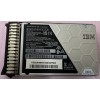
IBM 9.6TB NVMe FlashCore Module FCM4
Call for Price: (888) 682-5335
IBM ADSF 9.6TB NVMe FlashCore Module FCM4
Call for Price: (888) 682-5335
IBM ADSA 4.8 TB NVMe FlashCore Module FCM3
Call for Price: (888) 682-5335
IBM ADSB 9.6TB NVMe FlashCore Module 3 FCM3
Call for Price: (888) 682-5335
IBM ADSC 19.2TB NVMe FlashCore Module 3 FCM3
Call for Price: (888) 682-5335
IBM ADSD 38.4TB NVMe FlashCore Module 3 FCM3
Call for Price: (888) 682-5335
IBM FS7300 FlashSystem 7300 4657-924
Call for Price: (888) 682-5335
IBM FlashSystem 9500 FS9500 4983-AH8
Call for Price: (888) 682-5335
IBM FlashSystem 5100 Model 2077-4H4 FS5100
Call for Price: (888) 682-5335
IBM FlashSystem 7200 4664-824 Storage System
Call for Price: (888) 682-5335
IBM FlashSystem 9200 9846-AG8 FS9200
Call for Price: (888) 682-5335
IBM FlashSystem 9200: 9848-AG8
Call for Price: (888) 682-5335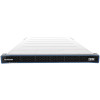
IBM FlashSystem 9200: FS9200 4666-AG8
Call for Price: (888) 682-5335